
First-Time Home Buyer Tips: Navigating the Market in [Your Area]
First-time buyers focusing on buying a home in [your area] face a fast-moving and information-heavy market. According to Redfin, entry-level homes in New Brunswick often trade between $350,000 and $450,000 as of early 2026, depending on proximity to George Street and Rutgers University. Understanding price ranges, transit access, taxes, and school options around College Avenue, Livingston Avenue, and Easton Avenue helps new buyers frame realistic expectations and plan each next step with confidence.
How Should First-Time Buyers Define a Realistic Budget?
Budgeting for buying a home in [your area] starts with a clear picture of income, existing debts, and future plans. Lenders around Albany Street and Hamilton Street often recommend keeping total housing costs under about one-third of gross monthly income. According to Consumer Financial Protection Bureau, many conventional loan programs cap debt-to-income ratios near 43%. That threshold shapes how much a buyer near Johnson Park or Buccleuch Park can responsibly borrow without creating financial strain.
Down payment expectations also influence what price range works for a first purchase along George Street or in the Rutgers Gardens area. According to HUD’s FHA program overview, eligible borrowers may qualify for FHA financing with as little as 3.5% down, while conventional loans often require between 5% and 20%. Factoring in closing costs, commonly 2% to 5% of the purchase price, keeps buyers from overcommitting on a property near Boyd Park or State Theatre New Jersey.
Ongoing costs in New Brunswick and surrounding Middlesex County matter as much as the initial purchase. According to Tax Foundation, the effective property tax rate in this part of New Jersey often falls between about 2% and 2.5% of assessed value each year. Insurance, utilities along Livingston Avenue, and potential homeowners association dues on newer developments off Hamilton Street also belong in the long-term budget.
What Local Market Dynamics Shape Buying a Home in [Your Area]?
Market conditions in and around downtown New Brunswick change quickly, especially near the New Brunswick Train Station and Albany Street Bridge. According to Realtor.com, typical days on market for well-priced homes in early 2026 hover in the range of 25 to 35 days. That timeline shortens for renovated properties close to Rutgers University’s College Avenue campus or near the hospital corridor anchored by Robert Wood Johnson University Hospital and Saint Peter's University Hospital.
Price trends in the neighborhoods around Roosevelt Elementary School, Lincoln Elementary School, and New Brunswick Middle School reflect strong demand from commuters and medical professionals. Based on recent sales patterns tracked by Redfin, many attached homes and smaller single-family properties have posted annual appreciation in the approximate range of 3% to 6% over several recent years. Limited inventory near Rutgers Gardens and Johnson Park helps maintain that upward pressure.
On warm spring evenings along George Street, the glow from restaurant windows near State Theatre New Jersey reflects off the brick facades, and the aroma of grilled food drifts from cafés. The hum of buses near the New Brunswick Train Station blends with music leaking from bars serving Rutgers University students. Brick sidewalks near the Zimmerli Art Museum feel slightly uneven underfoot, grounding visitors in the street’s historic texture as traffic rolls steadily across the Albany Street Bridge.
Which Neighborhoods and Amenities Matter Most for Long-Term Value?
Location decisions around New Brunswick influence commute times, school access, and resale potential for anyone buying a home in [your area]. Properties within about 0.5 to 1 mile of the New Brunswick Train Station often command premiums due to direct access to New York City trains. According to NJ Transit, express trains can reach Manhattan in roughly 45 to 55 minutes, depending on schedule and connections, which appeals strongly to weekday commuters.
Neighborhoods near parks such as Buccleuch Park, Boyd Park, and Johnson Park attract buyers seeking green space and river views along the Raritan River. According to Walk Score, central New Brunswick scores around 78 for walkability, meaning many errands near George Street and Hamilton Street can be completed on foot. That convenience, combined with access to the Zimmerli Art Museum and State Theatre New Jersey, tends to support enduring demand.
School ratings also shape location decisions. According to GreatSchools, public schools such as New Brunswick Middle School and Lincoln Elementary School post ratings in the mid range, typically between 4/10 and 6/10. Some buyers around Easton Avenue and Livingston Avenue incorporate nearby charter and private school options into long-term planning, especially when balancing commute times with academic preferences.
How Can First-Time Buyers Strengthen Financing and Offers?
Financing readiness significantly improves offer strength in competitive areas like George Street, College Avenue, and Hamilton Street. According to Rocket Mortgage, many lenders treat preapprovals as valid for about 60 to 90 days, after which updated documentation may be required. Submitting offers around New Brunswick Middle School, Rutgers Gardens, or Roosevelt Elementary School with current preapproval letters signals reliability to listing agents representing sellers.
Cash reserves also support financing flexibility. Financial planners frequently suggest keeping an emergency fund covering roughly 3 to 6 months of living expenses after closing, a guideline referenced in many analyses by FDIC Money Smart. In New Brunswick, that cushion helps new owners absorb potential assessments in condominium buildings off Easton Avenue or unplanned repairs in older homes lining Livingston Avenue and streets near Johnson Park.
During a late-afternoon showing on Hamilton Street, sunlight filters through tall maple trees and streaks across worn porch railings, highlighting chipped paint on older duplexes. The faint smell of pizza from a storefront near College Avenue mixes with exhaust from buses heading toward the New Brunswick Train Station. Inside a renovated townhouse near Lincoln Elementary School, the cool touch of newly finished hardwood floors contrasts with the muted rumble of traffic outside, emphasizing the difference between cosmetic updates and structural integrity.
What Role Do Rent, Timeline, and Lifestyle Play in the Decision?
Timing a transition from renting to buying a home in [your area] often hinges on both housing costs and lifestyle priorities around New Brunswick. According to a rent-versus-buy analysis by Zillow Research, many Northeast markets see financial breakeven points in the range of 3 to 5 years of ownership, depending on appreciation and rent growth. Tenants currently in apartments along George Street or near the Albany Street Bridge often evaluate whether long-term stays justify purchasing.
Lifestyle considerations across neighborhoods near Rutgers Gardens, Johnson Park, and the Raritan Riverfront help refine that decision. Condominiums on or near Easton Avenue may favor residents seeking short commutes to Rutgers University and downtown employers, while single-family homes near Roosevelt Elementary School or in adjacent Highland Park appeal to buyers seeking more yard space. Proximity to recreation at Buccleuch Park and Boyd Park further influences how weekends and evenings might be spent over the next 5 to 10 years.
Future plans also matter in fast-changing corridors like Livingston Avenue and Hamilton Street. According to guidance summarized by Fannie Mae, ownership periods shorter than about 3 years can magnify the impact of closing costs and potential price fluctuations. Households expecting significant life changes—such as shifts in job location or family size—often weigh those timelines carefully before selecting a property near the New Brunswick Train Station or State Theatre New Jersey.
The $350,000 to $450,000 entry-level range cited at the start of this guide reflects the competitive reality facing many first-time buyers around New Brunswick today. That initial price band from the opening underscores how quickly listings near George Street, Easton Avenue, and the New Brunswick Train Station can move when well priced. The New Jersey Realtors monthly housing reports provide an essential real-time window into inventory, price trends, and days-on-market patterns across Middlesex County. Buyers who register listing alerts through local MLS-enabled portals and schedule in-person tours within 48 hours of promising new listings before the late-spring surge often secure stronger positions. Households that delay those steps until after Q2 inventory tightens frequently encounter steeper competition, higher prices, and fewer acceptable options when buying a home in [your area].
FROM OUR BLOG

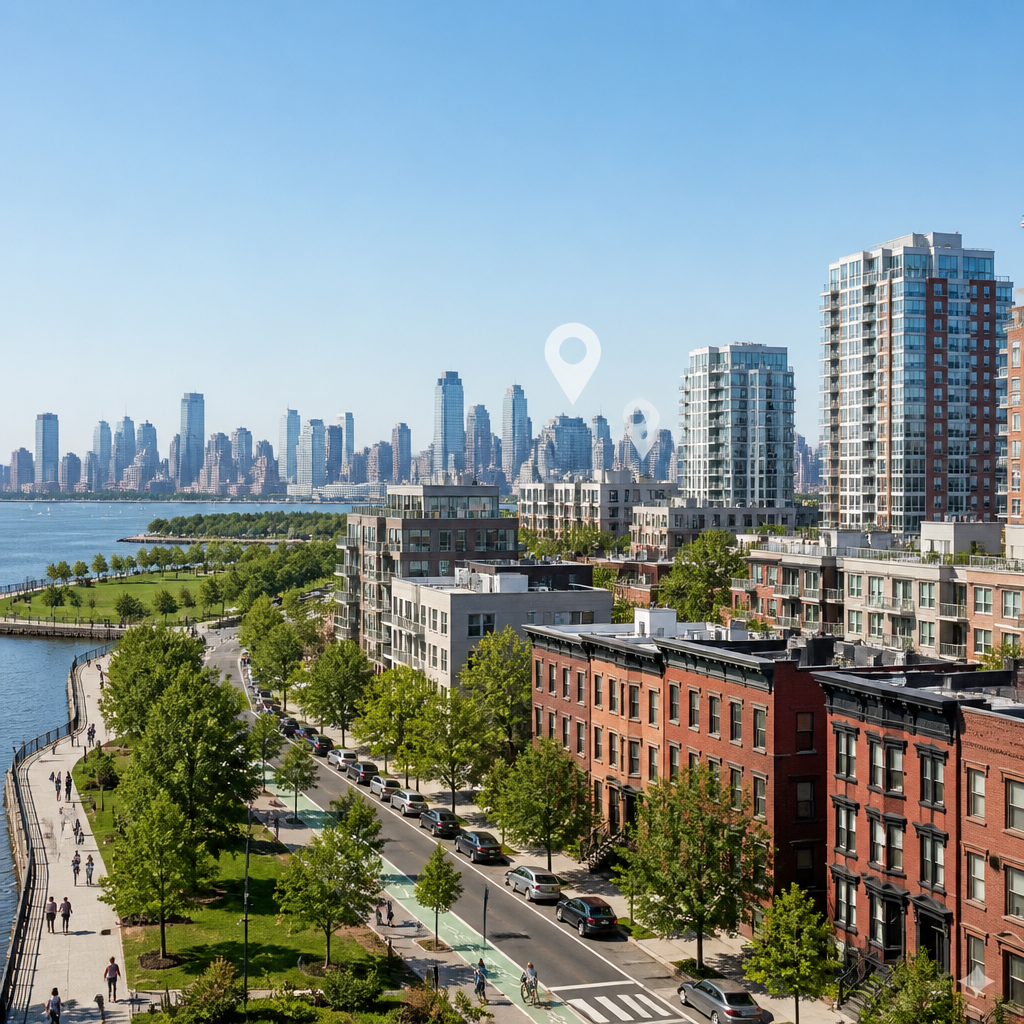
Exploring Residential Properties: Your Guide to Finding the Perfect Home
Exploring Residential Properties: Your Guide to Finding the Perfect Home Residential properties in [your area], with Jersey City as a prime example, combine historic streets, modern towers, and waterfront views in a compact footprint. According to U.S. Census QuickFacts, Jersey City’s population exc

Luxury Commercial Properties: Opportunities in [Your Area] for 2026
Luxury Commercial Properties: Opportunities in [Your Area] for 2026 Luxury commercial properties [your area] are entering 2026 with tightening supply and rising expectations from institutional tenants. According to LoopNet, premium Class A listings around downtown New Brunswick often quote asking re